
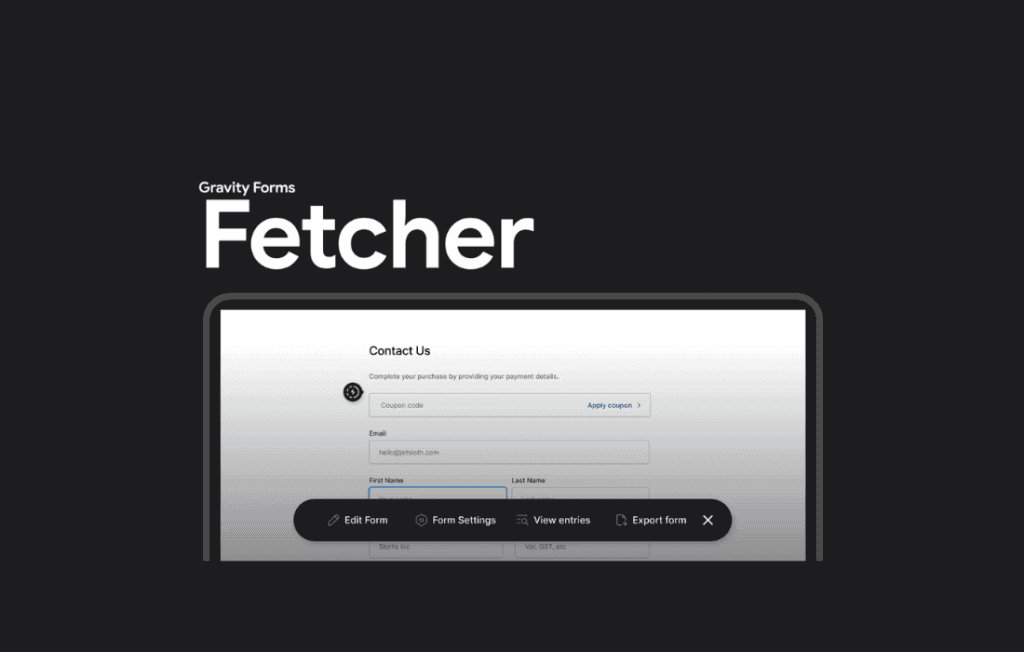
Gravity Forms Fetcher is the essential bridge for WordPress site owners who need to unlock the data trapped within their form submissions. If you rely on Gravity Forms to collect leads, customer feedback, or order details, you know that managing that data outside of the WordPress dashboard can be a manual, time-consuming chore. This plugin automates the retrieval process, allowing you to seamlessly export or sync your form entries to external platforms, ensuring your data is always exactly where you need it to be to fuel your business decisions.
Key Features
- Automated Data Retrieval: Eliminate manual exports by setting up automated fetches that pull your form entries directly from Gravity Forms on a schedule that works for your workflow.
- Flexible Data Formatting: Ensure your external systems receive data in the correct format with configurable mapping options, allowing you to organize your submissions exactly how your destination platform requires.
- Seamless Integration Support: Connect your form data to a wide variety of third-party applications, CRMs, and databases, reducing the need for complex custom coding or unreliable manual data entry.
- Bulk Processing Capabilities: Handle high volumes of submissions effortlessly with robust processing tools designed to manage large datasets without slowing down your website performance.
- Detailed Logging and Monitoring: Gain peace of mind with built-in logging that tracks every fetch operation, making it easy to verify that your data has been successfully transferred and troubleshoot any connectivity issues immediately.
- Security-First Architecture: Built with best practices to ensure your form data remains secure during the transfer process, keeping sensitive customer information protected at every step.
Use Cases / Who It’s For
Gravity Forms Fetcher is designed for business owners, marketing teams, and developers who are tired of the “copy-paste” cycle. If you are a digital agency managing multiple client sites, this plugin saves you countless hours by automating the delivery of lead data directly into your clients’ preferred CRM or project management tools. E-commerce store owners can use it to push order details into inventory management systems or accounting software, ensuring that back-office operations stay perfectly synced with website activity.
It is also an ideal solution for content creators and membership site owners who need to move subscriber data into email marketing platforms or community management software without relying on complex, expensive middleware. Whether you are a solo entrepreneur trying to streamline your operations or a developer building custom workflows for clients, Gravity Forms Fetcher provides the reliability and automation needed to scale your data management without the technical headache.
Setup / How It Works
- Install and Activate: Simply upload the plugin to your WordPress dashboard, activate it, and navigate to the plugin settings page.
- Configure Your Source: Select the specific Gravity Forms you wish to fetch data from and define the criteria for which entries should be included (e.g., all entries, or only entries submitted within a specific timeframe).
- Define the Destination: Input the connection details for your target platform or external database where the data should be sent.
- Map Your Fields: Use the intuitive mapping interface to align your Gravity Form fields with the corresponding fields in your destination system, ensuring a clean and accurate data transfer.
- Schedule or Trigger: Choose between setting up a recurring automated schedule for data synchronization or triggering a fetch manually whenever you need an immediate update.
Similar Plugins
While Gravity Forms Fetcher offers a streamlined approach to data retrieval, other solutions exist in the ecosystem depending on your specific needs. Plugins such as Gravity Forms Webhooks provide a way to push data in real-time as forms are submitted, while comprehensive automation tools like Zapier or Uncanny Automator offer broader integration capabilities that go beyond simple data fetching to include complex multi-step workflows across hundreds of different applications.